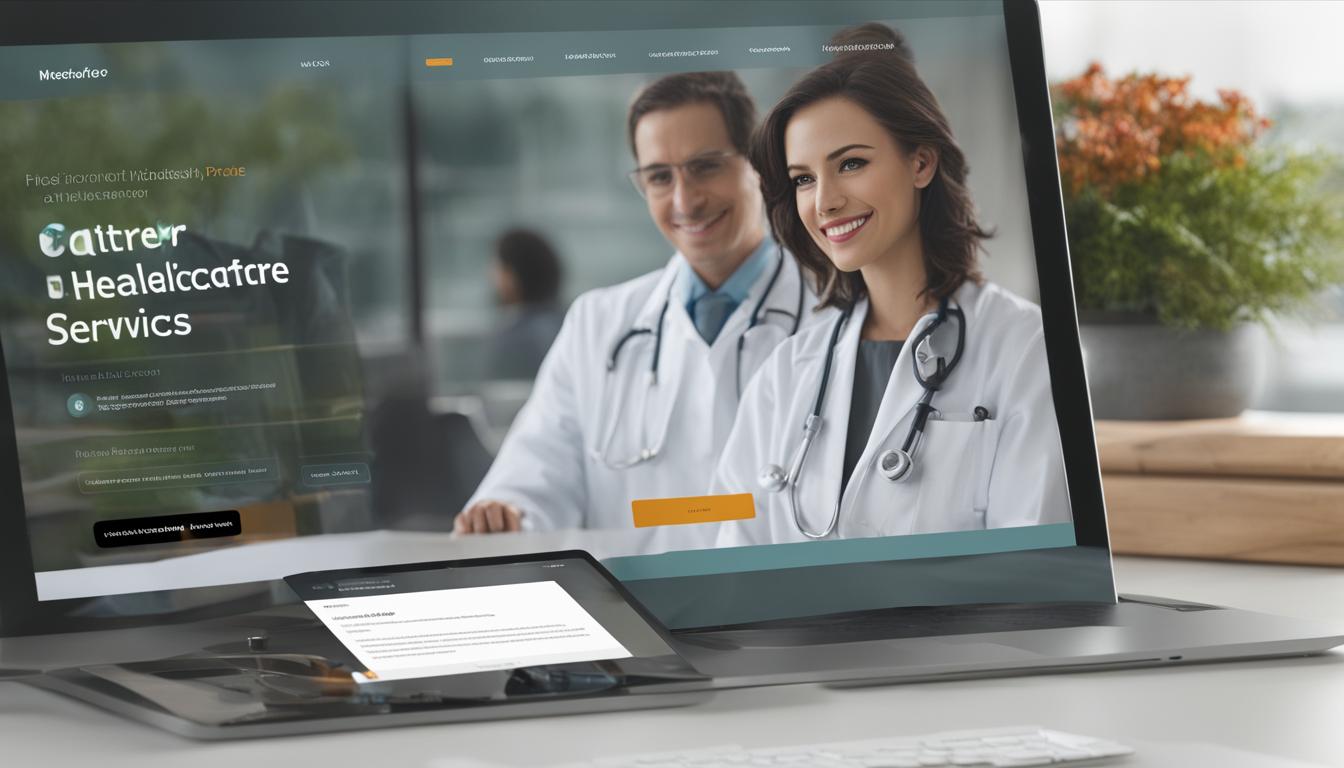
When it comes to healthcare services, a well-designed website is crucial to establish trust, attract patients, and convey professionalism. At [Your Company Name], we specialize in creating optimized web designs tailored specifically for healthcare providers. Our goal is to deliver a seamless user experience that not only impresses visitors but also increases engagement and conversions.
With our expertise in healthcare website design, we understand the unique requirements of the industry. From medical practices to hospitals and wellness centers, we strive to create websites that reflect your brand’s values and cater to your target audience. Whether you need a responsive design, branding elements, or marketing strategies, we’ve got you covered.
Our team of experienced designers and developers will work closely with you to deliver a healthcare website that meets your specific needs. We incorporate essential elements such as an uncluttered homepage, detailed service descriptions, high-quality images, an about us page, contact information, and responsive design to ensure a positive first impression and ease of navigation.
Furthermore, we understand the importance of compliance with privacy laws such as HIPAA and incorporating accessibility guidelines for inclusive design. Our designs are optimized for local SEO, ensuring that your healthcare website ranks highly in search results, targeting your local patient population effectively.
At [Your Company Name], we take pride in our portfolio of successful healthcare website designs. Some examples of our work include the visually engaging and user-friendly websites for Goodall-Witcher Healthcare, The Children’s Practice, Magnolia Place, The Physio Joint, TheraHive, Deia Health, and Hospitalia.
Key Takeaways:
- Optimized web design is essential for healthcare services to build trust and deliver a positive user experience.
- Elements such as a clean homepage, detailed service descriptions, and responsive design contribute to a successful healthcare website.
- Healthcare websites should comply with privacy laws and incorporate accessibility guidelines.
- Local SEO optimization is crucial for targeting the local patient population effectively.
- Successful examples of healthcare website designs include Goodall-Witcher Healthcare, The Children’s Practice, Magnolia Place, The Physio Joint, TheraHive, Deia Health, and Hospitalia.
The Importance of Healthcare Web Design
A well-designed healthcare website is crucial for establishing trust and credibility with both patients and healthcare providers. A professional and attractive web design creates a positive first impression, making visitors more likely to engage with your website and explore your services further.
One key aspect of healthcare web design is local SEO optimization. By implementing effective SEO strategies, you can significantly improve your website’s visibility in search engine results for healthcare providers in your area. This allows you to reach your target audience more effectively and attract more local patients.
Additionally, healthcare websites should prioritize relevant and frequently updated content. Ensuring that your website addresses common questions and concerns of potential patients will provide them with valuable information and encourage them to explore your services further.
A well-organized navigation system and intuitive site design are essential for a positive user experience. Visitors should be able to easily find the information they need without any confusion or frustration. Clear call-to-action buttons should be prominently displayed throughout your website, guiding visitors to take the desired next steps, whether it’s scheduling an appointment or requesting more information.
Optimizing online forms for a user-friendly experience is also crucial. Streamlining the form-filling process and minimizing any unnecessary steps can greatly reduce abandonment rates and increase conversions.
To further enhance trust and credibility, consider displaying patient testimonials and reviews on your website. This social proof can reassure visitors about the quality of your services and encourage them to choose your healthcare organization.
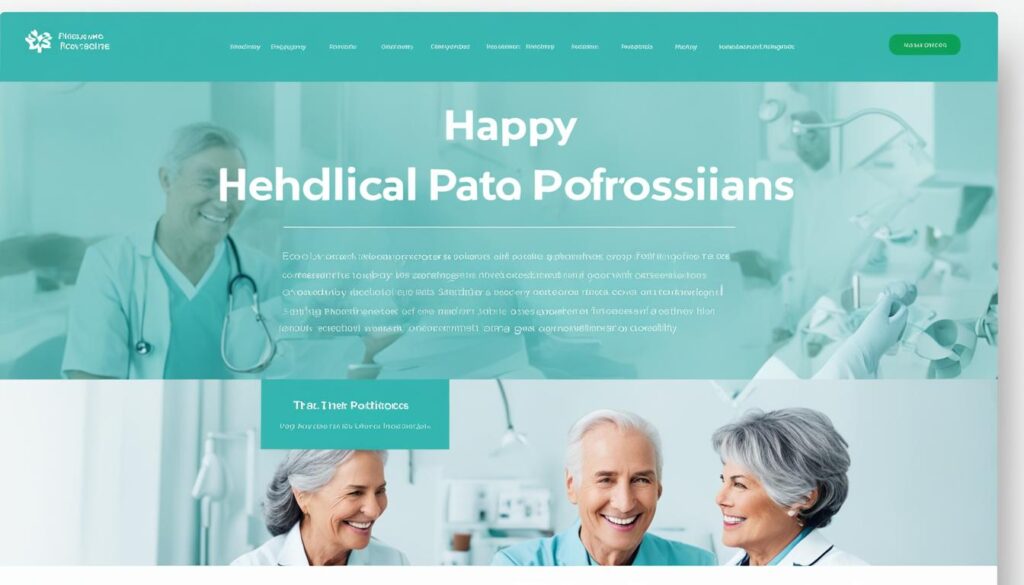
Finally, incorporating trust symbols and signals such as professional certifications and security badges can further reassure visitors of your commitment to providing high-quality care. These elements contribute to building a strong online presence for your healthcare organization, attracting more patients and establishing your brand as a trusted healthcare provider.
Designing a Patient-Friendly Healthcare Website
A patient-friendly healthcare website design is essential for creating a positive user experience and providing useful information to patients. When designing your healthcare website, consider the following key elements:
-
Mobile-Friendly Web Design
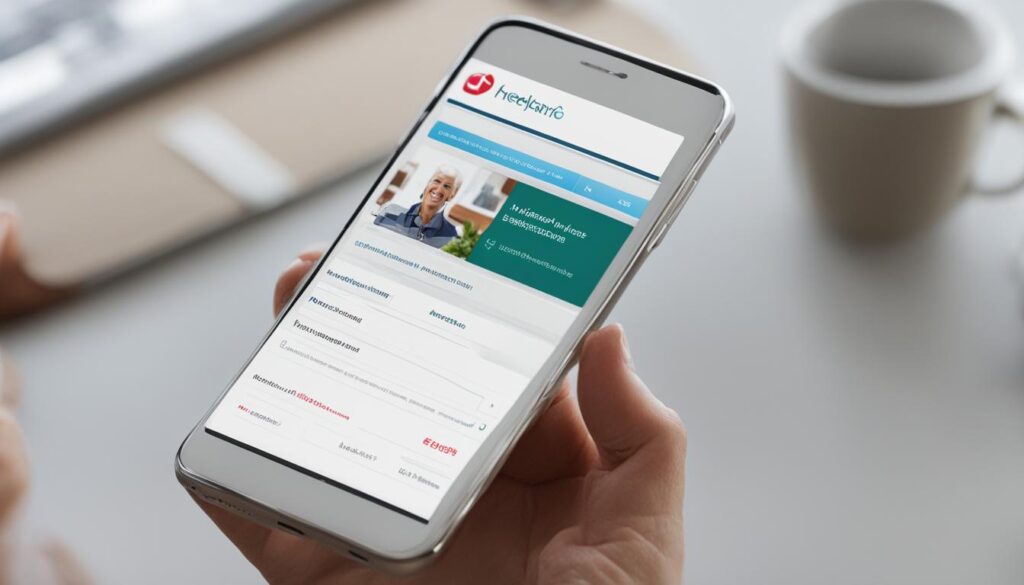
In today’s digital age, it’s crucial to optimize your website for mobile devices. A mobile-friendly design ensures that patients can easily access and navigate your website on their smartphones or tablets. This improves the overall user experience and allows patients to access important healthcare information on the go.
-
Local SEO Optimization
Local SEO optimization is essential for healthcare practices that want to attract local patients. By optimizing your website for local search, you can appear in search results when potential patients are looking for healthcare providers in your area. This can significantly increase your online visibility and drive more targeted traffic to your website.
-
Informative Content
Providing informative content is crucial for building trust and establishing your expertise in the healthcare industry. Frequently update your website with relevant content that addresses common patient questions and concerns. This can include blog posts, articles, videos, and downloadable resources. By offering valuable information, you can educate and engage patients, encouraging them to choose your services.
-
Intuitive Navigation
Patients should be able to easily find the information they need on your website. Use clear and intuitive navigation menus and labels to guide visitors to different sections of your site. Organize information logically and provide quick access to important pages, such as services, contact, and appointment booking.
-
Call-to-Action Buttons
Include prominent call-to-action buttons throughout your website to encourage visitors to take the next steps. Whether it’s scheduling an appointment, subscribing to a newsletter, or contacting your office, strategically placed call-to-action buttons help guide patients towards conversion.
-
Online Forms
Optimize online forms to be user-friendly and minimize abandonment rates. Streamline the form fields and provide clear instructions to make it easy for patients to fill out the necessary information. Consider using progress indicators to show users how far they are in completing the form.
-
Patient Testimonials
Showcasing patient testimonials and reviews on your website can build trust and credibility. Include positive testimonials from satisfied patients to provide social proof of your quality care. This can reassure potential patients and encourage them to choose your healthcare services.
-
Trust Symbols
Reinforce your commitment to quality care by including trust symbols on your website. These can include professional certifications, awards, and security badges. Trust symbols serve as visual signals that indicate your dedication to providing exceptional healthcare services.
By incorporating these patient-friendly website design elements, you can create a positive online experience for your patients and ultimately attract and retain more patients for your healthcare practice.
Designing a Healthcare Website for Multiple Audiences
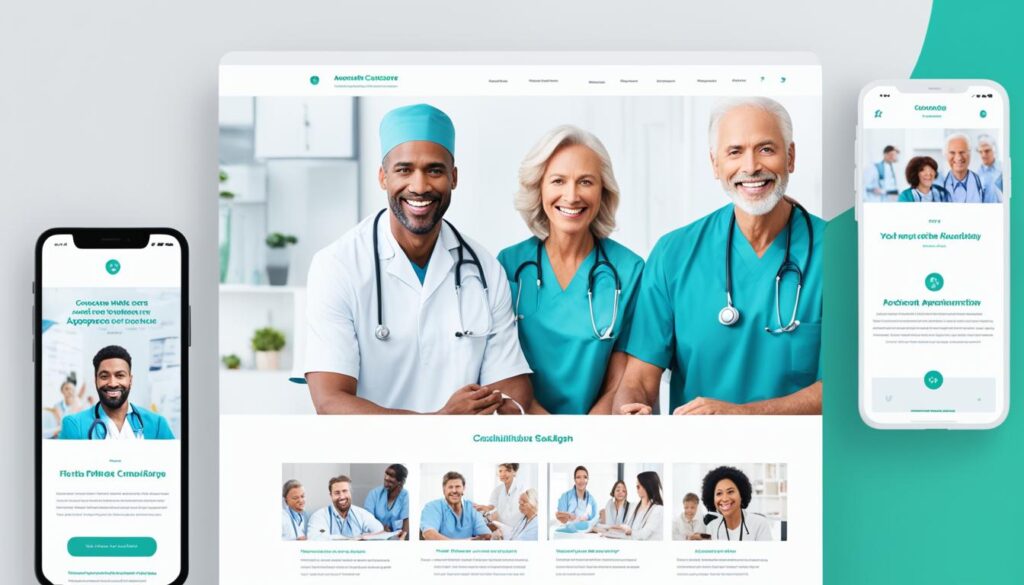
When it comes to healthcare website design, one size does not fit all. To create an effective online presence, it is crucial to consider the unique needs and preferences of your target patient and provider populations. By tailoring your messaging and user experience, you can engage and connect with different audiences, ultimately driving action and conversions.
One of the first steps in designing a healthcare website for multiple audiences is conducting user research. Interviews and surveys can help you understand the characteristics and preferences of each segment within your target audience. With this information, you can create audience personas that represent the different profiles of patients and providers you want to attract.
Understanding your audience personas enables you to tailor your messaging and user experience to meet their needs and expectations. This personalized approach helps you establish a connection and build trust.
Once you have identified your audience personas, it’s essential to craft tailored messaging that speaks directly to each group. Different parts of your website should focus on specific goals, such as supporting current patients, attracting new patients, or recruiting healthcare professionals. By addressing their unique concerns and highlighting the benefits of your services, you can effectively engage each audience segment.
In order to prompt action and engagement from your website visitors, clear calls to action should be strategically placed throughout your site. Whether it’s scheduling appointments, signing up for newsletters, or submitting inquiries, these prompts guide users to take the next steps in their healthcare journey.
“By personalizing the user experience based on a visitor’s browsing history, you can increase engagement and conversions. For example, if a potential patient has viewed information about a specific service, you can present targeted content or offers related to that service.”
In addition to tailored messaging and personalized user experiences, the reading level of your health content should be adapted to the intended audience. Consider the literacy level and health literacy of your patients and adjust your content accordingly. Clear and concise language, accompanied by visual aids or patient-friendly explanations, can improve understanding and engagement.
| Patient Audience | Provider Audience |
|---|---|
|
|
By designing a healthcare website that considers the needs of both patients and providers, you can create a digital presence that effectively engages and serves your target audiences. Through user research, tailored messaging, and personalized user experiences, you can build trust, drive action, and achieve your organizational goals.
Including Informative Health Content
At our healthcare website design agency, we understand the value of providing informative health content to engage and educate your target audience. By offering valuable resources, you can establish your expertise and build trust with potential patients and healthcare professionals.
When creating health content for your website, it’s essential to select topics that are relevant and beneficial to your audience. Consider their needs, interests, and common questions to provide them with valuable information they can use to make informed decisions about their healthcare journey.
There are various modes of delivery you can use to present your health content effectively. Blogs, videos, articles, and newsletter campaigns are all popular options that allow you to engage with your audience in different formats. By diversifying your content delivery, you can cater to different learning preferences and provide valuable information in a format that resonates with your audience.
While creating health content, it’s crucial to follow SEO practices to ensure that your content is discoverable by search engines. By conducting keyword research and optimizing your content, you can improve its visibility in search engine results and attract a wider audience to your website.
Additionally, featuring content written by authoritative voices within your healthcare facility, such as doctors or nurses, can enhance the credibility of your health content. This authoritative perspective adds value to the information you provide and further establishes your website as a trusted resource.
By including informative health content on your healthcare website, you can go beyond just promoting your services. You can educate and empower your audience, positioning your organization as a reliable source of health education and support.
Optimizing User Experience
When it comes to healthcare website design, optimizing user experience is crucial for attracting and retaining visitors. A seamless and intuitive user experience not only creates a positive impression but also encourages visitors to engage with your healthcare services.
One key aspect of optimizing user experience is ensuring simple and intuitive navigation. Clear labeling and organized menus make it easy for visitors to find the information they need quickly and efficiently.
Another important factor is mobile optimization. With the majority of internet users accessing websites on their mobile devices, it’s essential to have a mobile-friendly website design. This allows for a smooth experience on smaller screens, ensuring that visitors can access your healthcare services on the go.
Page speed is another crucial element to consider. Slow loading times can lead to visitor frustration and a higher likelihood of them leaving your website. Prioritizing page speed optimization is imperative to keep visitors engaged and minimize bounce rates.
Streamlining online forms is yet another factor that contributes to a positive user experience. User-friendly forms that are easy to fill out and navigate reduce abandonment rates, increasing the likelihood of visitors completing desired actions on your website.
Lastly, providing clear calls to action guides visitors to take the desired next steps. Whether it’s scheduling an appointment, contacting your healthcare facility, or subscribing to a newsletter, incorporating prominent and compelling calls to action ensures a seamless user journey.
User Experience Checklist:
- Ensure simple and intuitive navigation with clear labeling
- Optimize your website for mobile devices
- Prioritize page speed optimization
- Streamline online forms for a user-friendly experience
- Provide clear calls to action
Example of a User-Friendly Healthcare Website Design:
| Feature | Description |
|---|---|
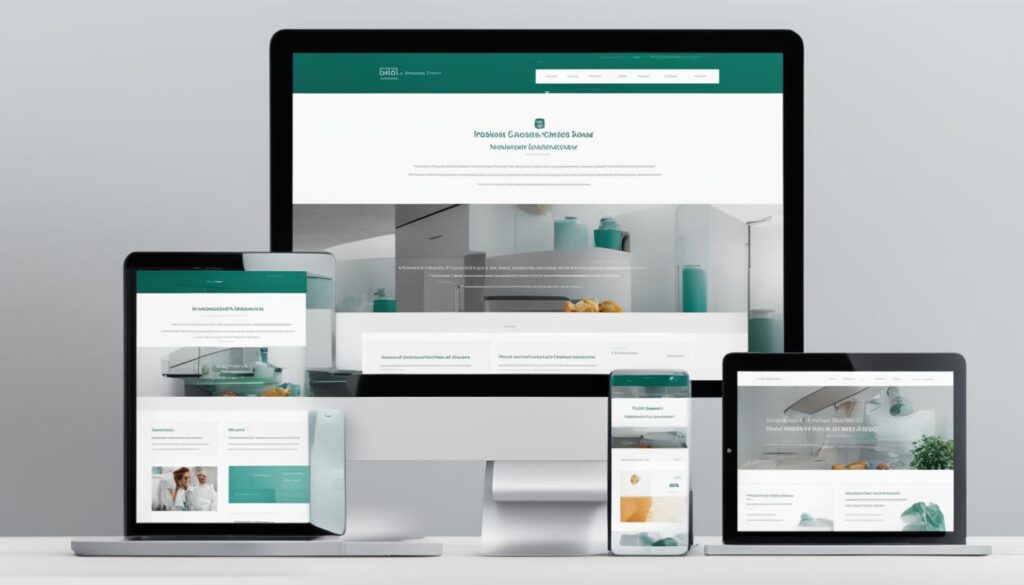 |
Visually appealing and relevant healthcare website design |
| Navigational Menu | Clearly labeled and organized for easy navigation |
| Mobile Optimization | Responsive design that adapts to smaller screens |
| Fast Page Speed | Optimized loading times to prevent visitor frustration |
| User-Friendly Forms | Streamlined and easy to navigate |
| Prominent Calls to Action | Clear and compelling next steps |
Promoting Engagement with the Healthcare Community
A great healthcare website design should encourage visitors to engage with our organization and take action. We understand the importance of fostering a sense of community and providing opportunities for interaction. That’s why we have implemented various strategies to promote engagement and enhance the user experience.
Clear Calls to Action
One of the key elements of our healthcare website design is the inclusion of clear calls to action. We want to guide visitors and prompt them to complete important tasks that are beneficial for both parties. These calls to action may include signing up for our patient portal, scheduling appointments, or applying for job positions.
User-Friendly Online Forms
We recognize the importance of user-friendly online forms to ensure a seamless experience for our website visitors. By simplifying our forms and minimizing the number of steps required to complete them, we strive to increase completion rates and eliminate any potential barriers that may discourage engagement.
Personalized Content and Calls to Action
Personalization is a key aspect of our healthcare website design strategy. We leverage the power of browsing history to deliver personalized content and tailor our calls to action accordingly. By understanding the unique preferences and needs of each user, we can provide more relevant and targeted information, increasing the chances of engagement.
Encouraging In-Person Interactions
While our website serves as a valuable online resource, we understand the importance of fostering in-person interactions within our healthcare community. To facilitate this, we prompt actions that lead to meaningful engagement, such as attending community events, participating in surveys, and joining support groups.
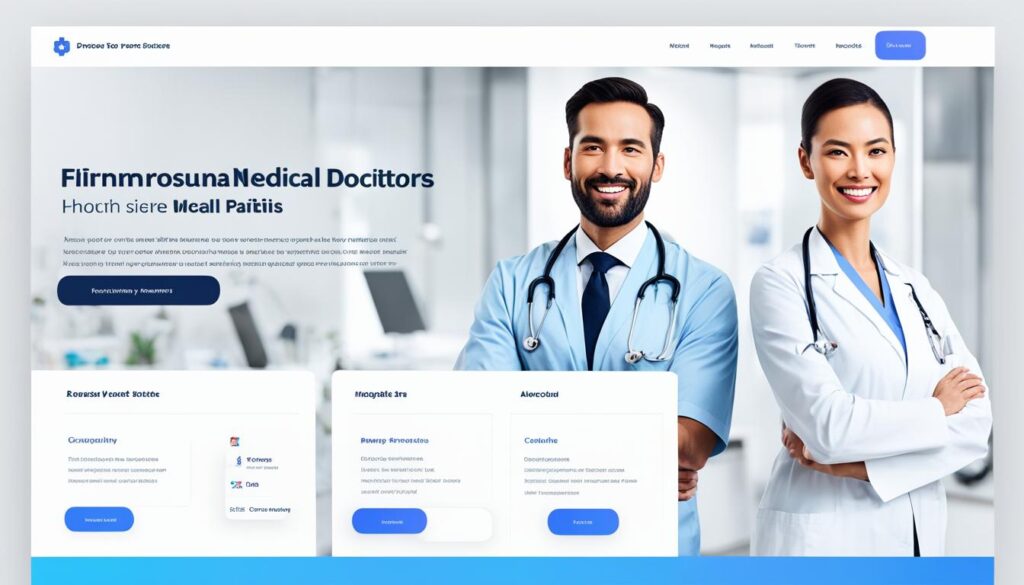
Through our healthcare website design, we aim to create a dynamic and engaging online platform that goes beyond providing information. We want to build a community where patients, providers, and other stakeholders can connect, interact, and contribute to the overall well-being of our healthcare ecosystem.
Conclusion
Optimizing web design for healthcare services is crucial in building trust, credibility, and providing a seamless user experience. By creating a professional and attractive website, healthcare providers can make a positive first impression on visitors. Incorporating essential elements such as detailed service descriptions, high-quality images, and responsive design can further enhance the user experience.
A patient-friendly healthcare website design focuses on delivering informative content, intuitive navigation, and prominent call-to-action buttons. By optimizing online forms and displaying patient testimonials, healthcare providers can build trust and encourage visitor engagement. Incorporating trust symbols and signals strengthens the commitment to quality care.
Designing a healthcare website for multiple audiences requires tailoring messaging to their specific needs. Understanding the target patient and provider populations and designing different parts of the website accordingly ensures effective communication. Additionally, including informative health content written by authoritative voices enhances credibility and demonstrates expertise in the healthcare industry.
Optimizing user experience by prioritizing navigation, mobile optimization, page speed, and user-friendly forms is vital in attracting and retaining visitors. By simplifying online forms and providing clear calls to action, healthcare providers can prompt engagement and guide visitors to take desired next steps. Finally, promoting engagement with the healthcare community through clear calls to action that encourage interactions further strengthens the website’s effectiveness.
FAQ
What is the purpose of healthcare web design?
The purpose of healthcare web design is to build trust with visitors by creating a positive first impression and delivering a seamless user experience.
What are the essential elements of web design for healthcare?
Essential elements of web design for healthcare include an uncluttered homepage, detailed service descriptions, high-quality images, an about us page, contact information, and responsive design.
What colors are commonly used in healthcare web design?
Calming colors such as greens, blues, and soft pastels are commonly used in healthcare web design to create a comforting environment.
What features can enhance the user experience on a healthcare website?
Important features that can enhance the user experience on a healthcare website include an online booking system, testimonials, and appealing photos of the location.
What privacy laws must medical websites comply with?
Medical websites must comply with privacy laws such as HIPAA and incorporate accessibility guidelines to ensure inclusive design.
Can you provide examples of thoughtful healthcare website designs?
Examples of thoughtful health and wellness website designs include Goodall-Witcher Healthcare, The Children’s Practice, Magnolia Place, The Physio Joint, TheraHive, Deia Health, and Hospitalia.
What are the benefits of a well-designed healthcare website?
A well-designed healthcare website builds trust and credibility with patients and providers, creating a positive first impression.
How important is local SEO optimization for healthcare websites?
Local SEO optimization is important to rank highly in search results for healthcare providers in your area.
What type of content should be included on a healthcare website?
The content should be relevant, frequently updated, and address common questions and concerns of patients.
How can navigation be improved on a healthcare website?
well-organized navigation and intuitive site design make it easy for visitors to find what they need on a healthcare website.
Why are call-to-action buttons important on a healthcare website?
Call-to-action buttons should be prominent to encourage visitors to take the next steps, such as scheduling appointments or subscribing to newsletters.
How should online forms be designed on a healthcare website?
Online forms should be optimized for a user-friendly experience, minimizing abandonment and ensuring ease of use.
How can patient testimonials and reviews enhance a healthcare website?
Displaying patient testimonials and reviews enhances trust and credibility, creating a positive impression for visitors.
What trust symbols and signals should be included on a healthcare website?
Incorporating trust symbols and signals, such as professional certifications and security badges, reassures visitors of your commitment to quality care.
What should be the focus of a patient-friendly healthcare website design?
A patient-friendly healthcare website design focuses on creating a positive user experience and providing useful information.
Why is mobile-friendly design important for healthcare websites?
The website should be mobile-friendly, responsive, and optimized for local SEO to ensure accessibility for all users.
How can relevant and frequently updated content benefit a healthcare website?
Relevant, frequently updated content should address common questions and concerns, building patient familiarity and trust.
How can audience personas be used to tailor messaging on a healthcare website?
User research, such as interviews and surveys, can help create audience personas that represent different segments of the target audience. Tailoring messaging to each audience’s unique needs helps to engage and connect with them.
What goals should different parts of a healthcare website focus on?
Different parts of the website should focus on different goals, such as supporting current patients, attracting new patients, or recruiting healthcare professionals.
How can clear calls to action prompt action and engagement on a healthcare website?
Clear calls to action should prompt action and engagement from visitors, leading them to take the desired next steps such as scheduling appointments or signing up for newsletters.
How can personalization enhance the user experience on a healthcare website?
Personalization based on browsing history can enhance the user experience and increase conversions by providing tailored content and recommendations.
How should the reading level of health content be considered on a healthcare website?
The reading level of health content should be tailored for the intended audience, ensuring it is easily understandable and accessible.
Why is it important to include informative health content on a healthcare website?
Including informative health content on your website demonstrates expertise and knowledge in the healthcare industry, providing valuable information to visitors.
What type of health content should be published on a healthcare website?
Select relevant and helpful topics that address the needs and interests of your target audience, and choose appropriate modes of delivery, such as blogs, videos, articles, or newsletter campaigns.
How can publishing content written by authoritative voices benefit a healthcare website?
Publishing content written by authoritative voices at your facility, such as doctors or nurses, can enhance credibility and demonstrate expertise.
How can user experience be optimized on a healthcare website?
Optimizing user experience is important for attracting and retaining visitors on your healthcare website. Make navigation simple and intuitive, ensure mobile optimization, prioritize page speed, and streamline forms for a user-friendly experience.
How can user engagement be promoted on a healthcare website?
A great healthcare website design should encourage visitors to engage with your organization and take action. Include clear calls to action that prompt visitors to complete tasks such as signing up for a patient portal, scheduling appointments, or applying for jobs.
Leave a Reply