Welcome to our article on the thrilling world of web design for events. Whether you’re organizing a conference, festival, or corporate gathering, the success of your event hinges on having a captivating and user-friendly website. In this article, we’ll explore the best practices and examples of event website design, providing you with valuable insights to help make your event a resounding success.
From event landing pages that grab attention to seamless registration processes, we’ll cover every aspect of creating an unforgettable online experience for your attendees. We’ll also dive into the importance of responsive design, customizability, and branding to ensure your website stands out and conveys the unique personality of your event.
So, join us as we delve into the fascinating realm of web design for events. Get ready to be inspired by exceptional examples and equipped with the knowledge to create a website that leaves a lasting impression on your attendees.
Key Takeaways:
- Event websites are crucial for the success of any event, serving as a hub of information and reflection of the event’s character.
- Designing a user-friendly and visually appealing event website is essential to make a memorable first impression on potential attendees.
- Incorporating SEO best practices helps improve the visibility of your event website and attract more potential attendees.
- Unique and creative design elements can make your event website stand out from the crowd and captivate visitors’ attention.
- High-quality visuals, such as images and videos, play a powerful role in showcasing the atmosphere and excitement of your event.
Importance of Event Websites for Attendees
Event websites are essential for providing attendees with the necessary information and creating a seamless online experience. They serve as a centralized hub where attendees can access crucial details about the event, such as the schedule, location, speakers, and more.
An event website is more than just an informational platform; it also immerses attendees in the event’s theme and atmosphere. By creating a captivating online experience, event websites generate excitement and anticipation, making attendees feel connected to the event even before it begins.
“Event websites are the gateway to your event, providing attendees with a glimpse of what to expect and enticing them to be a part of it.”
Through well-designed event websites, attendees can explore interactive features, browse engaging content, and visualize the event’s environment. This online immersion enhances their overall event experience and encourages active participation and engagement.
Crafting an event website that captures the essence of the event and engages attendees is crucial for its success. By providing comprehensive information and creating an immersive online experience, event websites play a pivotal role in attracting and retaining attendees, ensuring a memorable and impactful event.
Why Attendees Rely on Event Websites:
- Access to event details, including schedule, location, speakers, and more.
- Enhanced online experience, immersing attendees in the event’s theme and atmosphere.
- Opportunity to explore interactive features and engaging content.
- Ability to visualize the event environment before attending.
- Convenient platform for event registration and ticketing.
Attendees’ reliance on event websites highlights their significance in the event planning and marketing process. A well-designed and informative event website is the key to attracting attendees and creating a memorable and successful event.
Best Practices for Event Website Design
When it comes to event website design, there are several best practices that can help you create a user-friendly and visually appealing website. A well-designed event website not only provides clear information but also reflects the unique characteristics and personality of your event.
1. User-Friendly Navigation
A user-friendly event website should have easy navigation that allows attendees to find the information they need quickly. Organize your website into logical sections, use clear and concise menu labels, and provide an intuitive search function to enhance the user experience.
2. Clear and Concise Information
Ensure that your event website offers clear and concise information about the event, including the date, time, location, agenda, and speakers. Use bullet points or lists to present information in a scannable format, making it easy for visitors to find what they’re looking for.
3. Visual Appeal
A visually appealing event website captures the attention of visitors and entices them to explore further. Use high-quality images, videos, and graphics that align with the theme and atmosphere of your event. Consider incorporating animations or interactive elements to create an engaging experience.
4. Accessibility for All Attendees
Make sure your event website is accessible to all attendees, regardless of their abilities. Use readable fonts, provide alternative text for images, and ensure that the website is compliant with ADA accessibility guidelines. By making your website accessible, you create an inclusive experience for all potential attendees.
5. On-Brand Design
Your event website should reflect your event’s brand identity. Use consistent fonts, colors, and visuals that align with your event’s branding. This consistency helps build recognition and reinforces the event’s unique identity in the minds of potential attendees.
6. Test and Optimize
Regularly test and optimize your event website to ensure it is delivering the best possible user experience. Conduct usability tests, gather feedback from attendees, and analyze website analytics to identify areas that can be improved. Continuously refining your website will lead to better engagement and increased registrations.
| Best Practices | Description |
|---|---|
| User-Friendly Navigation | Ensure easy navigation and intuitive search function. |
| Clear and Concise Information | Provide clear and scannable event details. |
| Visual Appeal | Use high-quality visuals that align with the event theme. |
| Accessibility for All Attendees | Make your website accessible and inclusive. |
| On-Brand Design | Use consistent branding elements for a cohesive identity. |
| Test and Optimize | Regularly test and refine your website for better user experience. |
Inspiring Examples of Event Websites
To inspire your own event website design, we have compiled a list of 25 role model event websites that have caught our eye. These websites showcase immersive designs, vibrant colors, and engaging visuals, creating a captivating online experience for potential attendees.
Each website on the list incorporates unique elements that make it stand out and capture the essence of the event.
| Event Website | Description |
|---|---|
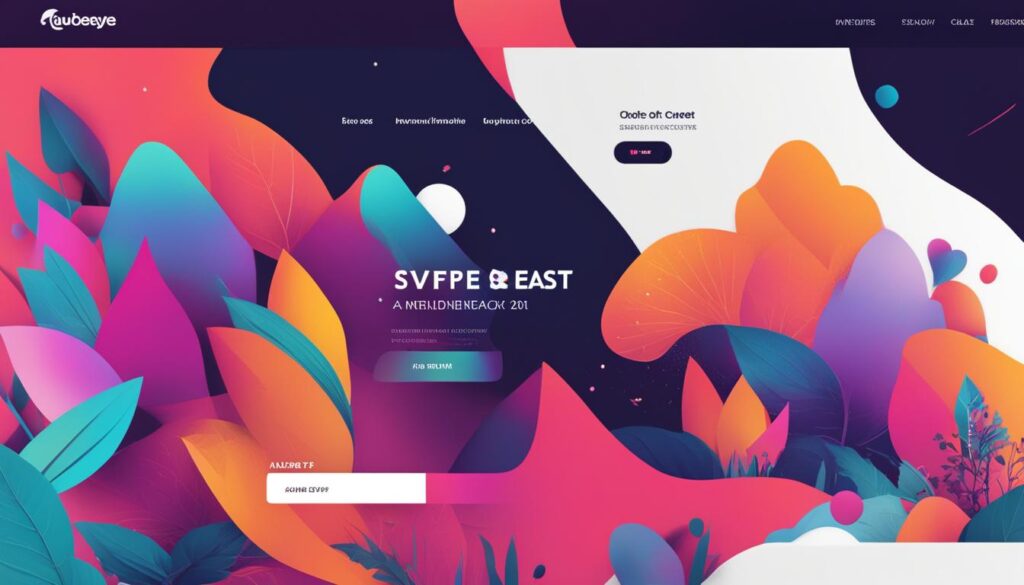 |
This event website seamlessly combines immersive design and vibrant colors to create a visually stunning experience. The engaging visuals draw attendees in, setting the tone for the event. |
|
With its innovative use of animations and interactive elements, this event website takes immersion to the next level. Attendees can explore the event details in a dynamic and engaging way. |
|
This event website captivates visitors with its bold and vibrant color scheme. The visually striking design leaves a lasting impression on potential attendees. |
Creating a Memorable First Impression
Your event website plays a crucial role in attracting potential attendees, and making a memorable first impression is essential. Studies have shown that first impressions are formed within milliseconds of visiting a website, with design being a major factor influencing those impressions. As experts in event website design, we understand the importance of creating a visually appealing and memorable look and feel that captures the essence of your event.
When visitors land on your event website, they should be immediately captivated by its appealing page. The website should reflect the theme and atmosphere of your event, immersing potential attendees into the world you have created. “A picture is worth a thousand words,” they say, and it couldn’t be truer for your event website. By showcasing enticing visuals and captivating content, you can spark interest and curiosity, compelling visitors to explore further.
One effective way to make a memorable first impression is through the strategic use of impactful imagery. A visually stunning hero image on your homepage can instantly capture attention and set the tone for the entire website. Whether it’s an engaging photograph or a dynamic illustration, the image should represent the essence of your event and leave a lasting impression.

Additionally, a well-crafted headline accompanied by a concise and compelling subheading can further enhance the first impression. These elements should immediately communicate the value and uniqueness of your event, providing potential attendees with a clear understanding of what they can expect.
Furthermore, a strong and consistent visual theme throughout the website can help create a memorable look and feel. This includes carefully selecting a color palette, typography, and graphic elements that align with the event’s branding and evoke the desired emotional response. Through the careful integration of these visual elements, you can create a cohesive and impactful online presence that resonates with potential attendees.
Your event website is often the first touchpoint for potential attendees. By creating a memorable first impression with a visually appealing and captivating website, you can leave a lasting impact and ignite enthusiasm among visitors. Remember, the key is to reflect the theme and atmosphere of your event through enticing visuals and captivating content, building anticipation and inspiring potential attendees to take action.
Key Elements of a Good Event Website
When it comes to creating a good event website, there are several crucial elements that should be considered. These key elements are essential in ensuring that your event website stands out from the competition and effectively draws in potential attendees. From simple copy to standout images, let’s take a closer look at each of these elements:
- Simple Copy: Your event website should feature simple yet compelling copy that captures the essence of your event. By optimizing your copy for SEO, you can make sure that your website is easily discoverable by search engines, increasing its visibility among potential attendees.
- Readable Fonts: Legibility is key when it comes to the fonts used on your event website. Choose fonts that are clear and easy to read, ensuring that your content is accessible to all visitors. This creates a seamless reading experience and enhances the overall user experience.
- Standout Images: Visual content plays a vital role in capturing attention and conveying the atmosphere of your event. Incorporate high-quality, standout images that showcase the unique aspects of your event and evoke interest in potential attendees.
- Key Information: Displaying key information such as the event schedule, location, and speakers in a clear and easily accessible manner is crucial. Make sure that this information is prominently featured on your website, allowing visitors to quickly find the details they need to make a decision.
- Seamless Registration: Make the registration or ticketing process as seamless and user-friendly as possible. Streamline the steps required for attendees to secure their spot at your event, minimizing any potential friction and maximizing conversions.
- Strong Call to Action: A compelling and persuasive call to action is crucial for driving potential attendees to take action. Use clear and impactful language to prompt visitors to register, buy tickets, or take any desired action that will lead to their attendance at the event.
By incorporating these key elements into your event website, you can create a compelling online presence that attracts potential attendees and drives event registrations.
Quote:
“A good event website combines simple yet compelling copy, readable fonts, standout images, clear display of key information, seamless registration, and a strong call to action. By focusing on these elements, you can create an engaging online experience that draws in potential attendees and drives event success.” – Event Website Expert
| Key Elements of a Good Event Website |
|---|
| Simple Copy |
| Readable Fonts |
| Standout Images |
| Key Information |
| Seamless Registration |
| Strong Call to Action |
Designing an SEO-Friendly Event Website
When it comes to creating an event website, it’s not enough to have a visually stunning design or compelling content. To ensure your website reaches a wider audience, it’s crucial to incorporate SEO best practices. By optimizing your event website for search engines, you can improve its visibility in search engine results and attract more potential attendees.
One of the key aspects of designing an SEO-friendly event website is using relevant keywords strategically throughout your website. These keywords should be seamlessly integrated into your page titles, headings, and content to help search engines understand the purpose and content of your event. By using relevant keywords, you increase the chances of your website appearing in search results when potential attendees are looking for events like yours.
Additionally, optimizing the meta titles and descriptions of your event website can improve its visibility in search engine results. Meta titles and descriptions provide concise summaries of your web pages, and by including relevant keywords within them, you can entice users to click on your website in search results.
The Power of Relevant Keywords
When it comes to optimizing your event website for SEO, using relevant keywords is essential. These keywords should align with the purpose and content of your event, ensuring that search engines understand what your website is all about.
“By using relevant keywords strategically throughout your event website, you can improve its visibility in search engine results and attract more potential attendees.”
For example, if you’re organizing a technology conference in San Francisco, relevant keywords could include “technology conference San Francisco,” “tech event San Francisco,” or “IT conference California.” By incorporating these keywords into your website’s headings, content, and meta attributes, you increase the likelihood of your website ranking higher in search engine results when users search for similar events in the San Francisco area.
Remember to strike a balance between using keywords and writing naturally. Your content should be informative and engaging, providing valuable information to potential attendees while utilizing SEO best practices. Avoid overusing keywords, as this could result in a poor user experience and potentially harm your website’s search engine ranking.
Optimizing for User Intent
In addition to using relevant keywords, it’s important to consider user intent when designing your event website. User intent refers to the specific goals and intentions of users when they perform a search. By understanding the intent behind certain keywords, you can tailor your website’s content to align with what potential attendees are looking for.
For example, if users are searching for “tips for attending a technology conference,” you could create a blog post or dedicated page on your event website that provides helpful tips and advice for attendees. By addressing user intent and providing valuable content related to the keywords they search for, you can improve the overall user experience and attract more interested attendees to your event.
The design of your event website should support the integration of relevant keywords and the optimization of your content for search engines. By adopting an SEO-friendly approach, you can ensure that potential attendees can easily discover and access your event website, increasing the chances of a successful event registration.
In the next section, we will explore how to make your event website stand out from the competition, with unique design elements and creative strategies.
Making Your Event Website Stand Out
With so many event websites out there, it is important to make yours stand out from the crowd. At OurEvents, we understand the importance of creating a unique and captivating online presence that grabs the attention of potential attendees. Through innovative design elements and creative features, we can help you make your event website memorable and enticing.
One way to achieve a standout event website is through unique design elements. By incorporating innovative animations, interactive features, and bold visuals, you can create an immersive experience that captivates visitors from the moment they arrive. These elements not only attract attention but also leave a lasting impression, making your event website stand out in the minds of potential attendees.
For example, imagine incorporating an interactive timeline that showcases the schedule of your event. As visitors scroll through the timeline, they can explore different sessions and speakers, creating an engaging and informative experience. This unique design element not only provides valuable information but also adds a level of interactivity that sets your event website apart from others.
“Creating a standout event website requires thinking outside the box and pushing the boundaries of traditional web design. By incorporating unique and creative elements, you can create a memorable online experience that resonates with potential attendees.” – OurEvents Team
In addition to unique design elements, it’s important to consider the overall user experience of your event website. A seamless and intuitive navigation system allows visitors to easily find the information they need, enhancing their interaction with your website. Clear and concise content, along with impactful calls to action, prompt potential attendees to take the next step and register for your event.
OurEvents can help you incorporate these creative elements and design practices into your event website, ensuring it stands out among the competition. With our expertise in web design and event marketing, we can create a visually stunning and engaging online presence that captures the essence of your event.
| Benefits of a Standout Event Website | How to Achieve a Standout Event Website |
|---|---|
| 1. Attracts attention and generates interest | 1. Incorporate unique design elements |
| 2. Enhances the credibility of your event | 2. Create an immersive user experience |
| 3. Increases event registrations and attendance | 3. Ensure seamless navigation and clear content |
| 4. Sets your event apart from the competition | 4. Use impactful calls to action |
Don’t let your event website get lost in the sea of generic designs. Partner with OurEvents to create a standout event website that leaves a lasting impression on potential attendees. Contact us today to discuss your vision and let us bring it to life!
The Power of Visuals in Event Website Design
When it comes to event website design, visuals have an incredible power. High-quality images and engaging videos can capture the atmosphere and excitement of your event, creating a visual experience that entices potential attendees. By carefully selecting and incorporating visually appealing content, you can effectively communicate the unique selling points of your event and leave a lasting impression on visitors to your website.
One of the key advantages of using visuals in event website design is their ability to showcase the atmosphere and excitement that attendees can expect. High-quality images can transport visitors to the event venue, allowing them to envision themselves immersed in the experience. Whether it’s showcasing the stunning décor, captivating keynote speakers, or the energy of a live performance, visuals help create an emotional connection even before the event begins.
Engaging videos further enhance the visual impact of your event website. Through dynamic motion, sound, and storytelling, videos can effectively capture the essence of your event and engage potential attendees on a deeper level. Whether it’s a promotional video highlighting the event highlights or a sneak peek into what attendees can expect, videos are a powerful tool to spark excitement and generate interest.
By incorporating high-quality images and engaging videos into your event website, you create a visually immersive experience that grabs attention and entices potential attendees to explore further. These visuals serve as a powerful marketing tool, allowing you to showcase the unique aspects and key attractions of your event in a captivating and memorable way.
Creating a Visual Journey
When designing your event website, consider creating a visual journey that guides visitors through the different aspects of your event. Start with an impactful hero image or video that sets the tone and captures attention right from the start. This visual should reflect the essence of your event and convey its unique selling points.
Throughout the website, strategically place high-quality images that showcase various highlights, such as keynote speakers, workshops, or entertainment acts. Use engaging videos to provide sneak peeks, behind-the-scenes footage, or testimonials from past attendees. These visuals should be placed strategically, complementing the content and guiding visitors’ attention to key elements.
Remember, visuals are not just limited to images and videos. Infographics, charts, and diagrams are also effective ways to present information visually and enhance understanding. Whether you want to showcase event statistics, highlight key benefits, or illustrate event flow, these visual elements serve as engaging and impactful components of your event website.
The Role of High-Quality Images
When selecting images for your event website, it’s crucial to prioritize high-quality visuals. Blurry or low-resolution images can create a negative impression and undermine the overall user experience. Opt for crisp, clear, and well-composed photographs that represent your event in the best possible light.
Consider hiring a professional photographer or partnering with talented individuals who can capture the essence of your event. Choose images that evoke emotion, tell a story, and resonate with your target audience. The use of high-quality images not only enhances the visual appeal of your website but also conveys professionalism and attention to detail.
Engaging Videos that Inspire Action
Videos are an excellent way to showcase the energy and excitement of your event. Whether it’s a teaser video, a highlights reel from a past event, or testimonials from satisfied attendees, videos provide a dynamic and captivating experience. Ensure that your videos are well-produced, with clear sound and engaging content that motivates potential attendees to take action.
Create a balance between informative and promotional videos. While promotional videos help create hype and generate interest, informative videos provide valuable insights about what attendees can expect, such as interviews with speakers or behind-the-scenes footage. By providing a mix of both, you create a comprehensive visual experience that appeals to a wide range of potential attendees.
“Visuals have the power to transport potential attendees to your event, capturing the essence and excitement in a way that text alone cannot achieve. They create an emotional connection and help potential attendees envision themselves as part of the experience.”
When incorporating visuals into your event website design, remember to optimize their size and resolution to ensure fast loading times. Slow-loading visuals can lead to a poor user experience and discourage potential attendees from exploring further.
To sum it up, visuals are a powerful tool in event website design. By incorporating high-quality images and engaging videos that showcase the atmosphere and excitement of your event, you can create a visually captivating experience that entices potential attendees and leaves a lasting impression. So, leverage the power of visuals and make your event website stand out from the crowd!
Creating a User-Friendly Event Website
When it comes to designing an event website, creating a user-friendly experience is absolutely essential. We want potential attendees to easily navigate the site, find all the necessary information, and be motivated to take action. To achieve this, we focus on three key elements: simple navigation, clear information, and an impactful call to action.
Simple Navigation
Simple navigation is the backbone of a user-friendly event website. Attendees should be able to effortlessly explore the different sections of the site and find what they are looking for. By organizing the menu logically and providing intuitive navigation elements, we ensure that attendees can effortlessly move from one page to another, maximizing their engagement with your event.
Clear Information
Providing clear and concise information is crucial for guiding potential attendees through the event website. Concise yet informative content helps them grasp the key details of the event quickly and easily. From event schedule and location to speakers and special activities, all the essential information should be prominently displayed and easily accessible to interested participants.
Moreover, visually appealing icons and graphics can be used to enhance the user experience and highlight important information in a more engaging way. Using a mix of text and visuals helps users quickly absorb the details while also making the website visually appealing.
Impactful Call to Action
No user-friendly event website is complete without an impactful call to action. We want to inspire attendees to take immediate action and register for your event. Whether it’s a prominent “Register Now” button or a compelling invitation to secure their spot, the call to action must be clear, persuasive, and strategically placed throughout the website.
Don’t miss out on this incredible opportunity! Join us for an unforgettable event filled with inspiring speakers, interactive workshops, and networking opportunities. Register now and secure your spot!
To ensure maximum impact, we design the call to action to be visually appealing, using contrasting colors and attention-grabbing elements to capture the user’s attention. By emphasizing the benefits of attending the event and creating a sense of urgency, we encourage potential attendees to take action and make a commitment.
In conclusion, a user-friendly event website is the key to attracting and engaging potential attendees. By focusing on simple navigation, clear information, and an impactful call to action, we create an intuitive and enjoyable experience that encourages visitors to take the next step and register for your event.
Incorporating Branding into Event Website Design
Branding is a critical component of event website design. It goes beyond just adding a logo to your website. By incorporating consistent brand identity elements throughout the design, you can create a cohesive and professional online presence that resonates with potential attendees.
One of the key aspects of branding in event website design is using on-brand visuals. These visuals include images, graphics, and videos that align with your event’s theme and reflect your brand’s personality. High-quality and captivating visuals not only grab attention but also help create a memorable user experience.
“Consistency in branding helps reinforce the event’s identity and creates a cohesive and professional online presence.”
In addition to visuals, the choice of fonts and colors also plays a significant role in maintaining consistent brand identity. Select fonts that align with your brand’s tone and style, ensuring readability and consistency across all pages. Similarly, choose colors that reflect your brand’s personality and evoke the desired emotions in potential attendees.
Another important aspect of branding in event website design is the messaging and copywriting. Use language and tone that align with your brand’s voice and values. Incorporate key messaging points that highlight the unique selling propositions of your event and create a strong connection with your target audience.
Benefits of Incorporating Branding into Event Website Design
When you incorporate branding elements into your event website design, you reap several benefits:
- Recognition: Consistent branding helps build recognition among potential attendees. When they see your branding elements, such as logos, colors, or fonts, they can quickly associate them with your event.
- Trust: A consistent and professional brand identity instills trust in potential attendees. It shows that you have put thought and effort into creating a cohesive online presence.
- Memorability: By creating a visually appealing and on-brand website, you increase the chances of attendees remembering your event. This can lead to improved engagement and higher attendance rates.
- Differentiation: In a crowded event landscape, branding helps differentiate your event from the competition. It helps you stand out and create a unique identity in attendees’ minds.
Example of Successful Branding in Event Website Design
| Event | Website |
|---|---|
| Adobe MAX |
Adobe MAX, the annual creativity conference by Adobe, is an excellent example of successful branding in event website design. Their website incorporates on-brand visuals, fonts, and messaging that align with Adobe’s creative and innovative image. The use of vibrant colors, impactful imagery, and sleek typography creates a visually captivating experience that resonates with their target audience.
The branding elements used in Adobe MAX’s website not only reinforce the event’s identity but also help establish it as a premier industry event. The consistent brand experience throughout the website builds trust and recognition among potential attendees, leading to increased registrations and attendance.
Incorporating branding into your event website design is a strategic approach to create a memorable and impactful online presence. By maintaining a consistent brand identity through on-brand visuals, fonts, colors, and messaging, you can strengthen your event’s identity, build trust among potential attendees, and differentiate yourself in the competitive event landscape.
Conclusion
Creating a captivating event website is essential for the success of your event. By following best practices, incorporating unique design elements, and optimizing for SEO, you can create an engaging online experience that attracts potential attendees and drives event registrations.
The examples and tips provided in this article serve as inspiration for your own event website design, helping you create a memorable and successful online presence. Successful event websites are not just informational platforms; they are interactive and visually appealing, providing captivating online experiences that leave a lasting impression on visitors.
Remember, your event website is the first touchpoint for potential attendees, and it sets the tone for their overall event experience. By implementing user-friendly navigation, impactful visuals, and clear calls to action, you can create a seamless and engaging journey for your audience.
Investing time and effort into your event website design will pay off in the long run by attracting a larger attendee base and creating anticipation and excitement surrounding your event. So, apply the best practices, unleash your creativity, and design a website that will not only inform but captivate your audience, leading to a successful and memorable event.
FAQ
Why are event websites important for attendees?
Event websites provide important information to attendees and create an online experience that reflects the essence of the event, immersing attendees in the event’s theme and atmosphere.
What are some best practices for event website design?
Some best practices include creating a user-friendly website with easy navigation, ensuring accessibility for all attendees, and designing a visually appealing website that reflects the unique characteristics of the event.
Can you provide examples of inspiring event websites?
Yes, we have compiled a list of 25 role model event websites that showcase immersive designs, vibrant colors, and engaging visuals, creating a captivating online experience for potential attendees.
How can I make a memorable first impression with my event website?
To make a memorable first impression, it is important to create a visually appealing website that reflects the theme and atmosphere of the event and sparks interest with enticing visuals and captivating content.
What are the key elements of a good event website?
Key elements include simple and compelling copy optimized for SEO, readable fonts, standout images, clear display of key information, seamless registration or ticketing experience, and a strong call to action.
How can I optimize my event website for search engines?
You can optimize your event website for search engines by incorporating relevant keywords throughout your website, in page titles, headings, and content, to improve its visibility in search engine results.
How can I make my event website stand out from the crowd?
You can make your event website stand out by incorporating unique and creative design elements such as innovative animations, interactive features, or bold visuals that capture attention and create a memorable experience for visitors.
How important are visuals in event website design?
Visuals play a powerful role in event website design as high-quality images and engaging videos can showcase the atmosphere and excitement of the event, creating a visual experience that entices potential attendees.
How can I create a user-friendly event website?
To create a user-friendly event website, focus on simple and intuitive navigation, provide clear and concise information, make the registration or ticketing process seamless and efficient, and incorporate an impactful call to action.
Why is branding important in event website design?
Branding is important in event website design as it helps maintain a consistent brand identity throughout the website, using on-brand visuals, fonts, colors, and messaging, which builds trust and recognition among potential attendees.
How can I create a captivating and successful event website?
By following best practices, incorporating unique design elements, optimizing for SEO, and creating an engaging online experience, you can attract potential attendees and drive event registrations, ensuring a successful event website.
Leave a Reply