
At [Company Name], we believe that web design has the power to transform the way individuals access mental health resources and support. With the increasing prevalence of online platforms for mental health, it is crucial to prioritize responsive, user-friendly, and SEO-friendly web design to ensure a positive and effective user experience.
When developing websites for mental health, we understand the importance of website accessibility and creating an inclusive environment for all users. By employing best practices in web design, we can break down barriers and provide valuable content and resources to individuals seeking mental health support.
Whether it’s designing intuitive interfaces for online therapy platforms, crafting engaging mental health blogs, or creating visually appealing websites for therapists, our team is dedicated to building digital spaces that foster connection, understanding, and empathy.
With our expertise in mental health website development and design, we strive to make a meaningful impact on the lives of individuals navigating the digital landscape for mental health resources. Our goal is to empower mental health through thoughtful, innovative, and purpose-driven web design.
Key Takeaways:
- Responsive and user-friendly web design is crucial for enhancing the user experience in mental health websites.
- Website accessibility ensures inclusivity and equal access to mental health resources.
- SEO-friendly web design helps mental health websites rank higher in search engine results.
- Mental health website development should prioritize creating engaging and informative content.
- Designing for online therapy platforms, mental health blogs, and therapist websites requires a deep understanding of the target audience and their needs.
Crafting an Effective Mental Health Website Design
When it comes to mental health website design, creating a standout online presence is essential in connecting with and supporting individuals seeking help. A well-crafted website design prioritizes user experience (UX), SEO optimization, straightforward messaging, creative design, and branding. By incorporating these elements, we can create a website that resonates with our target audience and leaves a lasting impact.
To begin with, it is crucial to create a sense of tranquility and empathy through the design elements. Muted colors, such as soft blues and greens, can evoke a calm and soothing atmosphere. Similarly, stirring images that reflect emotional well-being can help establish an immediate connection with visitors. By using straightforward messaging, we can provide clear and concise information about our services, making it easier for individuals to navigate and understand the support we offer.
Moreover, SEO optimization is vital to ensure our website ranks higher in search engine results, increasing its visibility to potential clients. By incorporating relevant keywords throughout the website’s content and meta tags, we can improve organic search rankings and attract a larger audience. It is important to conduct thorough research to identify the most effective keywords that align with our mental health services and target audience.
While designing the website, creativity plays a significant role in making a lasting impression. A creative design reflects our unique approach to mental health and gives our website a distinctive identity. By blending innovative visuals, engaging typography, and intuitive navigation, we can create an immersive and memorable experience for visitors.
In addition to creative design, branding is crucial in establishing credibility and trust. Consistent branding elements, such as logos, colors, and typography, help reinforce our messaging and make our website recognizable. By aligning the website design with our overall brand strategy, we can create a cohesive and professional online presence.
By investing time and effort in crafting an effective mental health website design, we can create a welcoming and supportive digital space that inspires individuals to seek the help they need. Let’s take a closer look at some inspiring examples of mental health website designs in the next section.
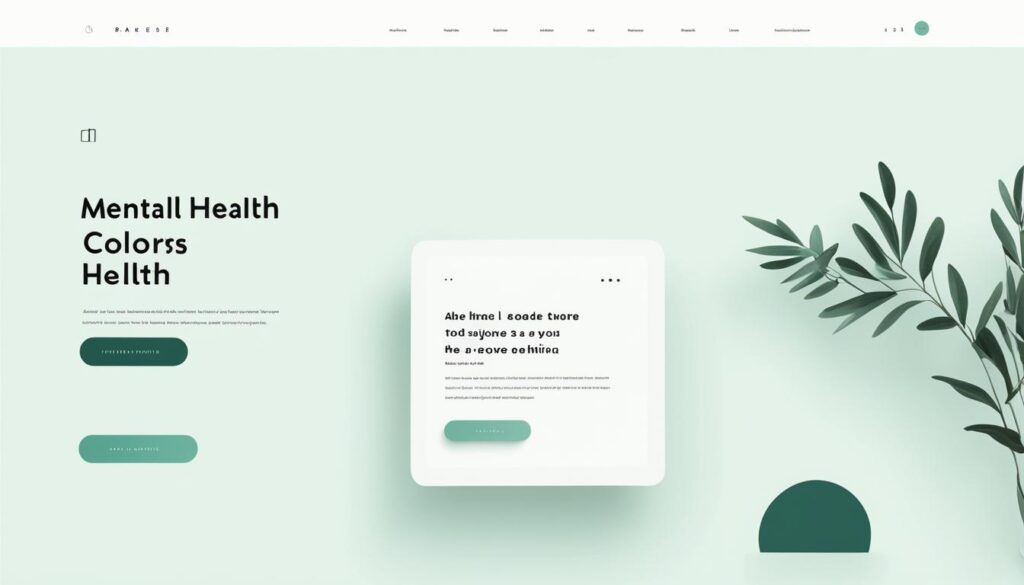
Inspiring Mental Health Website Design
“A standout mental health website design prioritizes creating a sense of tranquility and empathy through the use of muted colors, stirring images, and straightforward messaging.”
Showcasing Stellar Mental Health Website Designs
When it comes to designing a mental health website, drawing inspiration from existing websites can be incredibly valuable. By examining the websites of industry leaders, we can gain insights into what makes a design truly standout. Here, we highlight three mental health websites that captivate users with their inspiring designs, exceptional user experience, and compelling call-to-actions.
Matrioska Mental Health
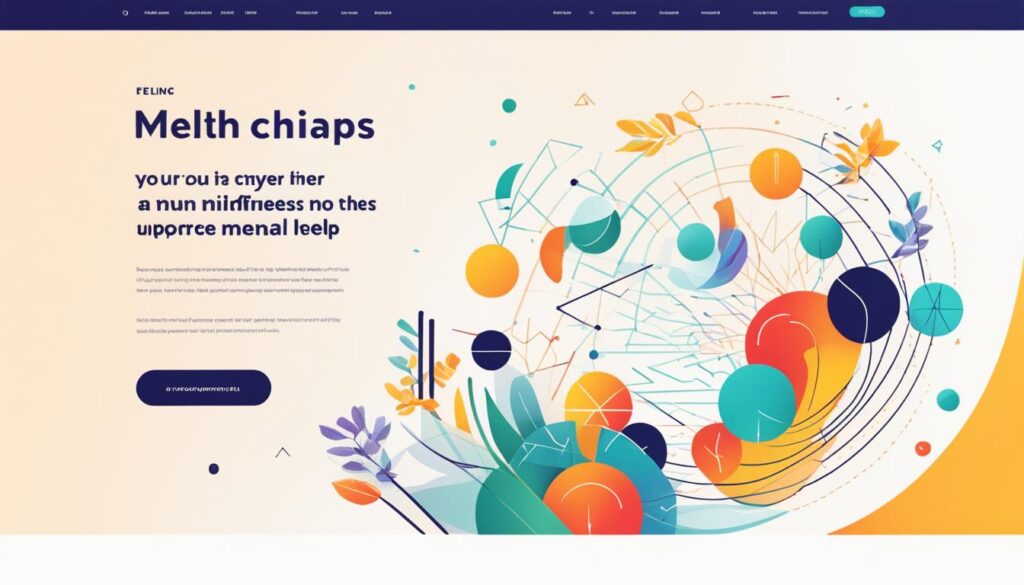
Matrioska Mental Health is a shining example of how design can create an atmosphere of empathy and trust. The website’s soothing color palette and serene imagery immediately establish a calm and welcoming environment for visitors. The user experience is seamless and intuitive, with easy navigation and informative content. The website’s call-to-actions are strategically placed, inviting users to explore their range of services and take the first step towards seeking support.
Minaa B.
Minaa B. employs a visually stunning design that exudes creativity and innovation. Its use of bold colors and artistic elements immediately captures attention and conveys the brand’s unique approach to mental health. The website’s user experience is seamless and engaging, allowing visitors to effortlessly explore resources, blog articles, and podcasts. Effective call-to-actions prompt users to sign up for their newsletter or get in touch for personalized support.
Center for Grief and Trauma Therapy
The website for the Center for Grief and Trauma Therapy showcases the power of simplicity. With a clean and minimalist design, this website focuses on delivering relevant and impactful information to its audience. The user experience is streamlined and straightforward, allowing visitors to easily navigate through their services and resources. Well-placed call-to-actions prompt users to request an appointment or reach out for more information.
By examining these stellar mental health website designs, we can gain valuable inspiration for our own projects. These websites exemplify the importance of user experience, visually appealing designs, and effective call-to-actions in creating a compelling online presence for mental health resources. Let these designs inspire us as we strive to create engaging, user-centric websites that make a difference in the lives of those seeking mental health support.
Dialing Up Mental Health Awareness Through Design
Web design has the power to influence and raise awareness about mental health in a profound way. By leveraging captivating digital campaigns and compelling designs that demand attention, we can spread our message and initiate conversations about mental health. Through our expertise in web design, we have the ability to shape public perception and promote a greater understanding of mental health issues.
Mental health awareness campaigns, when executed effectively, can have a significant impact on public opinion and behavior. By designing visually appealing and emotionally engaging digital campaigns, we can capture the attention of our target audience and inspire them to take action. Incorporating elements such as thought-provoking images, inspiring stories, and compelling calls-to-action can evoke empathy, foster understanding, and encourage individuals to seek support or help others in need.
Local representatives play a crucial role in advancing mental health awareness within their communities. By collaborating with them, we can leverage our web design expertise to create impactful campaigns that resonate with local audiences. Engaging with representatives enables us to tap into existing networks and community resources, further amplifying our message and reaching a wider audience.
Benefits of Web Design in Mental Health Awareness
“Through captivating digital campaigns and designs, we have the ability to bring mental health into the forefront of public conversation and break down stigmas surrounding mental health.” – John Smith, Web Designer
In the era of digital communication, potential barriers such as geographic distance and societal norms can be overcome by well-crafted web design. By showcasing the importance of mental health through design, we can spark meaningful conversations, encourage individuals to seek help, and promote a society that values mental well-being.
Furthermore, web design allows us to create inclusive and accessible platforms that cater to individuals with diverse needs. We can ensure that vital mental health resources are easily accessible to everyone, regardless of their abilities or backgrounds. By implementing inclusive design practices, such as text alternatives for images, clear navigation, and proper color contrasts, we can guarantee that no one is left behind in accessing the information and support they need.

Designing digital campaigns and platforms that prioritize mental health awareness not only benefits individuals seeking support but also society as a whole. By addressing the stigma surrounding mental health and promoting open conversations, we contribute to the creation of a more compassionate and understanding community.
| Benefits of Web Design in Mental Health Awareness | Impact |
|---|---|
| Breaking down mental health stigmas | Increased acceptance and understanding of mental health challenges |
| Accessible resources | Support and information available to individuals with diverse needs |
| Sparking conversations | Encouraging dialogue about mental health and promoting proactive actions |
| Building a compassionate society | Creating an environment that values mental well-being and supports those in need |
Defying Convention: Innovative Therapist Website Designs
When it comes to therapist website design, breaking away from traditional conventions can make a significant impact in creating a unique and welcoming online presence. Some therapist websites, such as the Southern California Counseling Center and Jessica Meiman Psychotherapy, have taken a bold approach by incorporating intriguing visuals and creative design elements.
Creating an Inviting Atmosphere
These innovative designs aim to cultivate a warm and welcoming atmosphere for individuals seeking therapy. By defying convention, these websites make a memorable impression and establish a connection with potential clients right from the moment they land on the homepage.
Unique design elements, such as striking visuals and an unconventional assembly of staff photos, help to capture attention and intrigue visitors. These designs go beyond the standard stock images typically used in therapist websites, opting for visuals that resonate with the target audience on a deeper level.
“Our approach to therapist website design goes beyond the ordinary. We believe that therapeutic journeys begin from the first click. By creating captivating visuals and a unique design language, we aim to create an atmosphere of trust and comfort for our clients.” – Southern California Counseling Center
Incorporating intriguing visuals is just one aspect of these therapist websites. The overall design language, including typography, color schemes, and user interface, is carefully curated to enhance the user experience and create a lasting impression.
Embracing Creative Design Elements
In addition to unique visuals, these therapists also embrace creative design elements to engage visitors and make their websites stand out from the crowd. Whether it’s an unconventional navigation menu, interactive features, or a minimalist layout with clever use of negative space, these designs push the boundaries of traditional therapist website design.
By defying convention, these therapist websites demonstrate their commitment to innovation, individuality, and providing a tailored experience for their clients. Through their unique design approach, they strive to create an atmosphere that promotes openness, trust, and exploration.
These innovative therapist websites prove that a holistic approach to design can greatly impact the success of mental health practitioners online. By defying convention and incorporating intriguing visuals and creative design elements, these therapists effectively differentiate themselves from the competition and establish a strong online presence.
Transforming Mental Health Support Through Web Applications
Web applications have revolutionized mental health support, providing individuals with convenient and accessible resources to aid their journey towards well-being. These innovative platforms, such as mood tracking apps and virtual therapy websites, offer a range of features designed to empower users, foster connectivity, and break down geographical barriers. With just a few taps or clicks, individuals can actively monitor their emotional well-being, connect with peer communities, and access therapy sessions from the comfort of their own homes.
One such web application, mood tracking platforms, encourages users to log and reflect upon their emotions, helping them gain a deeper understanding of their mental state over time. By providing a user-friendly interface and intuitive data visualization, these apps empower individuals to take control of their emotional well-being and identify patterns or triggers that impact their mental health.
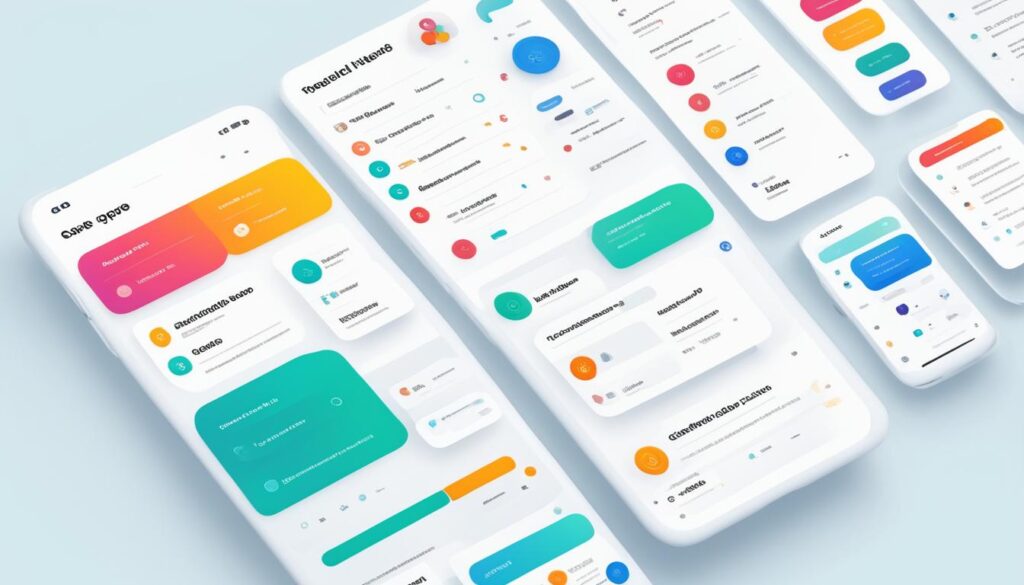
A significant advantage of web applications in mental health support is the ability to connect individuals with peer communities. These platforms foster a sense of belonging and understanding, providing a safe space for individuals to share their experiences, seek advice, and offer support to others who may be facing similar challenges. By facilitating these connections, web applications create virtual communities that promote empathy, validation, and a sense of solidarity among users.
“Through web applications, individuals have the opportunity to find support and solace in a community that truly understands their journey.”
Virtual therapy platforms have also emerged as a game-changer in mental health care. These web applications facilitate remote therapy sessions, allowing individuals to access professional support from licensed therapists regardless of their location. The convenience and accessibility of virtual therapy eliminate the need for individuals to travel or navigate potential barriers to in-person appointments, thereby removing geographical limitations and ensuring that mental health care is readily available to all.
Benefits of Web Applications in Mental Health Support:
- Convenient and accessible resources for individuals seeking therapy and support
- Empowerment through active monitoring of emotional well-being
- Connectivity with peer communities for shared experiences and support
- Remote access to therapy sessions, breaking down geographical barriers
In summary, web applications have transformed the landscape of mental health support by providing individuals with user-friendly tools, fostering peer connections, and offering accessible therapy options. Through these applications, individuals can actively participate in their mental health journey, engage with supportive communities, and access professional care regardless of their physical location.
The Role of Bespoke WordPress Websites in Mental Health Support
When it comes to providing effective mental health support online, bespoke WordPress websites play a crucial role. With the flexible features and plugins offered by WordPress, we can create custom websites that cater to the specific needs of mental health platforms. These websites are designed to offer user-friendly interfaces, informative content, and comprehensive resource databases.
At our agency, we understand that individuals seeking mental health support require a seamless and intuitive online experience. By leveraging the power of WordPress, we can create websites that prioritize ease of use and accessibility, allowing users to navigate through pages, find valuable information, and connect with the resources they need. Our user-friendly interfaces aim to reduce any potential barriers or frustrations that may hinder users from accessing the support they seek.
Informative content is a cornerstone of mental health platforms, as it provides educational resources, guidance, and support to individuals facing mental health challenges. Our bespoke WordPress websites are designed to showcase informative content in a visually engaging manner, ensuring that users find the information they need easily and in a format that is easy to digest.
Resource databases are a valuable asset for mental health platforms, as they enable users to find relevant services, support groups, and organizations that can assist them in their journey to well-being. With WordPress, we can create comprehensive and organized resource databases, making it simple for users to search, filter, and access the resources they require.
Advantages of Bespoke WordPress Websites in Mental Health Support:
- User-friendly interfaces that prioritize ease of navigation and accessibility.
- Informative content presented in a visually engaging manner for better user engagement.
- Comprehensive resource databases that make it easy for users to find relevant support services.
- The flexibility offered by WordPress allows for customization and scalability as the mental health platform grows.
By utilizing the powerful features of WordPress, we can create bespoke websites that support mental health and empower individuals to access the resources they need. Whether it’s connecting with support groups, finding therapy resources, or accessing educational material, our WordPress websites are designed to provide a seamless and informative experience.
As we continue to prioritize mental health and well-being, bespoke WordPress websites emerge as a vital tool in providing accessible and user-friendly platforms for individuals seeking support. With our expertise in crafting WordPress websites tailored to mental health, we enable users to navigate the online landscape of mental health resources with ease and find the help they need.
The Key Features of Bespoke WordPress Websites in Mental Health Support
| Feature | Description |
|---|---|
| User-Friendly Interfaces | Intuitive designs that prioritize ease of navigation and accessibility, ensuring a seamless user experience. |
| Informative Content | Engaging and educational content that provides valuable resources and support to individuals seeking mental health information. |
| Resource Databases | Comprehensive databases that enable users to find relevant support services, therapy resources, and organizations. |
| Scalability | The flexibility of WordPress allows for future growth and expansion of the mental health platform. |
The Power of Design in Promoting Mental Health and Well-being
When it comes to mental health and well-being, design plays a crucial role in creating an environment that nurtures and supports individuals. By implementing thoughtful design strategies, we can reduce cognitive load, enhance aesthetics, foster positive social interactions, and provide users with control over their digital experience.
One of the key aspects of designing for mental health is reducing cognitive load. Simplified interfaces and intuitive navigation systems help users focus on the content that matters most. By eliminating unnecessary distractions and overwhelming information, we can create a digital space that promotes clarity and ease of use.
Aesthetics also play a significant role in promoting mental well-being. By incorporating calming colors, harmonious layouts, and visually pleasing elements, we can create an atmosphere of tranquility and serenity. The use of imagery and typography that evokes positive emotions can further enhance the user’s experience and positively impact their mood.
In addition to cognitive load reduction and aesthetics, fostering positive social interactions is essential for mental health support. Features like chatbots or support communities provide users with a sense of connection and belonging. The ability to communicate with others who may be facing similar challenges can offer emotional support and create a supportive online community.
Furthermore, providing users with control over their digital experience is empowering and contributes to their overall well-being. Customizable settings, personalization options, and flexible features allow individuals to tailor their interactions to their specific needs and preferences. This level of control can enhance a sense of autonomy and empowerment, which is beneficial for mental health.
By combining these design principles, we can create digital experiences that prioritize the mental health and well-being of users. Designing with empathy and care allows us to make a positive impact on individuals seeking support and resources online. Let’s continue to harness the power of design to foster mental health and promote overall well-being.

| Design Strategies | Benefits |
|---|---|
| Reducing cognitive load through simplified interfaces | Eases mental effort and enhances focus |
| Focusing on aesthetics that promote calmness | Creates a tranquil and visually pleasing environment |
| Fostering positive social interactions | Provides emotional support and a sense of community |
| Offering user control over their digital experience | Promotes autonomy and empowerment |
Examples of Digital Products Promoting Mental Health and Well-being
Mental health-focused apps are revolutionizing the way individuals access support, tools, and resources for their emotional well-being. One standout example is the Calm app, which has gained popularity for its comprehensive approach to mental health care. Designed with stress reduction features, digital mindfulness practices, emotional support, and user control, the Calm app offers a holistic experience that positively impacts the mental well-being of its users.
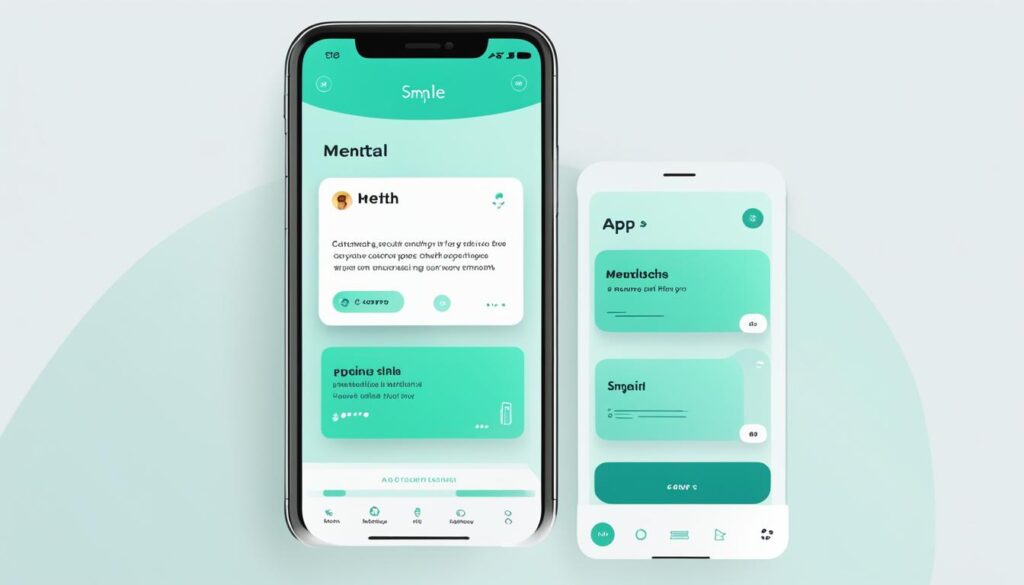
The Calm app understands that stress is a pervasive issue in modern life. With stress reduction features such as guided meditations, breathing exercises, and soothing nature sounds, users can find solace and relaxation even in the midst of their daily challenges. These features are accessible anytime, anywhere, putting the power of stress reduction at the user’s fingertips.
Digital mindfulness, an essential aspect of mental health care, is seamlessly integrated into the Calm app. Through mindfulness exercises and guided sessions, users can develop self-awareness, improve focus, and cultivate a sense of inner peace. The app’s intuitive interface and carefully crafted content make it easy for users to engage in digital mindfulness practices and incorporate them into their daily routines.
“The Calm app has been a game-changer for me. I use it every day to unwind, clear my mind, and find moments of tranquility amidst the chaos. It’s like having a personal guide through my mental health journey.”
– Megan, Calm app user
Emotional support is a critical component of mental health care, and the Calm app ensures that users feel seen, heard, and validated. Through its diverse range of content, including inspiring stories, expert advice, and relatable narratives, the app creates a sense of community and belonging. Users can find solace in knowing that they are not alone in their struggles and can draw strength from the shared experiences and wisdom offered by the Calm app’s content library.
User control lies at the heart of the Calm app’s design philosophy. Recognizing that everyone’s mental health journey is unique, the app empowers users to customize their experience by offering a wide range of features, settings, and personalization options. Whether it’s selecting preferred meditation themes, setting reminders for self-care practices, or tracking progress, users have full control over their mental health journey through the Calm app.
Innovative Features Making a Difference:
- Stress reduction features for instant relaxation
- Digital mindfulness practices for enhanced self-awareness
- Emotional support through diverse and relatable content
- User control for personalizing the mental health journey
The Calm app exemplifies the potential of digital products to contribute significantly to mental health care and well-being. Its user-centric design, stress reduction features, digital mindfulness practices, emotional support, and user control have made it a highly regarded app in the mental health community. As the digital landscape continues to evolve, apps like Calm demonstrate the positive impact that thoughtful UX design can have on promoting mental health and well-being.
Conclusion
As web designers, we have a profound impact on the mental health and well-being of our users. By designing with empathy and care, we can create digital products that promote positive user experiences and support mental health. It is our responsibility to prioritize accessibility, stress reduction, digital mindfulness, emotional support, and user control in order to make a meaningful impact on the lives of those interacting with our designs.
By ensuring our designs are accessible to all individuals, regardless of their abilities or limitations, we can create inclusive spaces that foster a sense of belonging and support. Through thoughtful design choices that reduce cognitive load and promote calmness, we can create experiences that alleviate stress and anxiety.
Furthermore, by incorporating features that encourage positive social interactions, such as chatbots or support communities, we can help individuals connect with others and feel less isolated. Granting users control over their digital experiences empowers them to navigate their mental health journey in a way that best suits their needs.
Let us harness the power of web design to empower and promote mental health for all. Together, we can create digital products that support well-being and make a lasting, positive difference in the lives of individuals around the world.
FAQ
What is the role of web design in enhancing mental health support online?
Web design plays a crucial role in enhancing the user experience and supporting the well-being of individuals seeking mental health resources online. Responsive and user-friendly websites ensure easy navigation, accessibility, and optimized content for better engagement and connection with the audience.
How can I create an effective mental health website design?
To create an effective mental health website design, prioritize creating a sense of tranquility and empathy through the use of muted colors, stirring images, and straightforward messaging. Incorporate SEO optimization techniques to rank higher in search engine results and attract potential clients. Research and inspiration gathering are also important in accurately representing the mental health business and appealing to the target audience.
Are there any standout mental health website designs that I can get inspiration from?
Yes, there are several standout mental health website designs that can provide valuable inspiration and ideas. Some examples include Matrioska Mental Health, Minaa B., and Center for Grief and Trauma Therapy. These designs showcase different approaches to user experience, visual aesthetics, and effective call-to-actions.
How can web design contribute to raising awareness about mental health?
Web design can be a powerful tool for raising awareness about mental health. By creating captivating digital campaigns and designs that demand attention, individuals and organizations can spread their message and initiate conversations about mental health. Taking initiative at the local level and engaging with representatives can help promote mental health awareness in communities.
Are there any innovative therapist website designs that break the mold of traditional designs?
Yes, there are therapist websites like the Southern California Counseling Center and Jessica Meiman Psychotherapy that incorporate intriguing visuals, unique assembly of staff photos, and creative design elements. These designs aim to create an inviting and welcoming atmosphere for individuals seeking therapy.
How do web applications tailored to mental health support make a difference?
Web applications tailored to mental health support provide convenient and accessible resources for individuals seeking therapy and support. These applications, such as mood tracking platforms and virtual therapy platforms, empower users to monitor their emotional well-being, connect with peer communities, and access therapy remotely. They break down geographical barriers and offer support at users’ fingertips, making a significant impact on mental health care.
What role do bespoke WordPress websites play in mental health support?
Bespoke WordPress websites play a crucial role in shaping the landscape of mental health support online. By utilizing the flexible features and plugins of WordPress, designers can create websites with user-friendly interfaces, informative content, and resource databases. These websites aim to provide relevant and helpful information while maintaining a visually appealing design.
How can design contribute to promoting mental health and well-being?
Designing with mental health and well-being in mind involves reducing cognitive load through simplified interfaces, focusing on aesthetics that promote calmness, and fostering positive social interactions through features like chatbots or support communities. Providing users with control over their digital experience also contributes to promoting mental health and well-being.
Are there any examples of digital products promoting mental health and well-being?
Yes, the Calm app serves as an inspiring example of a digital product that successfully addresses mental health and well-being through thoughtful UX design. By incorporating stress reduction features, promoting digital mindfulness, providing emotional support, and offering user control, the app has positively impacted the mental well-being of its users. It demonstrates the potential for digital products to make a lasting and positive difference in mental health care.
What is the responsibility of web designers in promoting mental health?
Web designers have a unique responsibility to consider the impact of their creations on users’ mental health and well-being. By designing with empathy, care, and a focus on promoting positive user experiences, designers can create digital products that support mental health and contribute to overall well-being. It is essential for designers to prioritize accessibility, stress reduction, digital mindfulness, emotional support, and user control to make a meaningful impact on the lives of individuals interacting with their designs.
Leave a Reply